Context
In my second time taking Software Development, we were assigned to build an application to manage data for a towing company. The course focused on the backend: .NET Core, microservices, hexagonal architecture, DDD, and CQRS.
We delivered three applications: a web admin platform, a mobile app for drivers, and a web API.
Our team of three split responsibilities: I led architecture and technical decisions, worked across backend and web, and focused primarily on the web application while teammates owned backend and mobile interfaces.
Admin platform overview
There are four user roles—Provider, Driver, Operator, and Administrator—each with different permissions. Providers register cranes and drivers; drivers accept and complete orders; operators create and assign orders; administrators manage users and platform data.
Creating and assigning orders
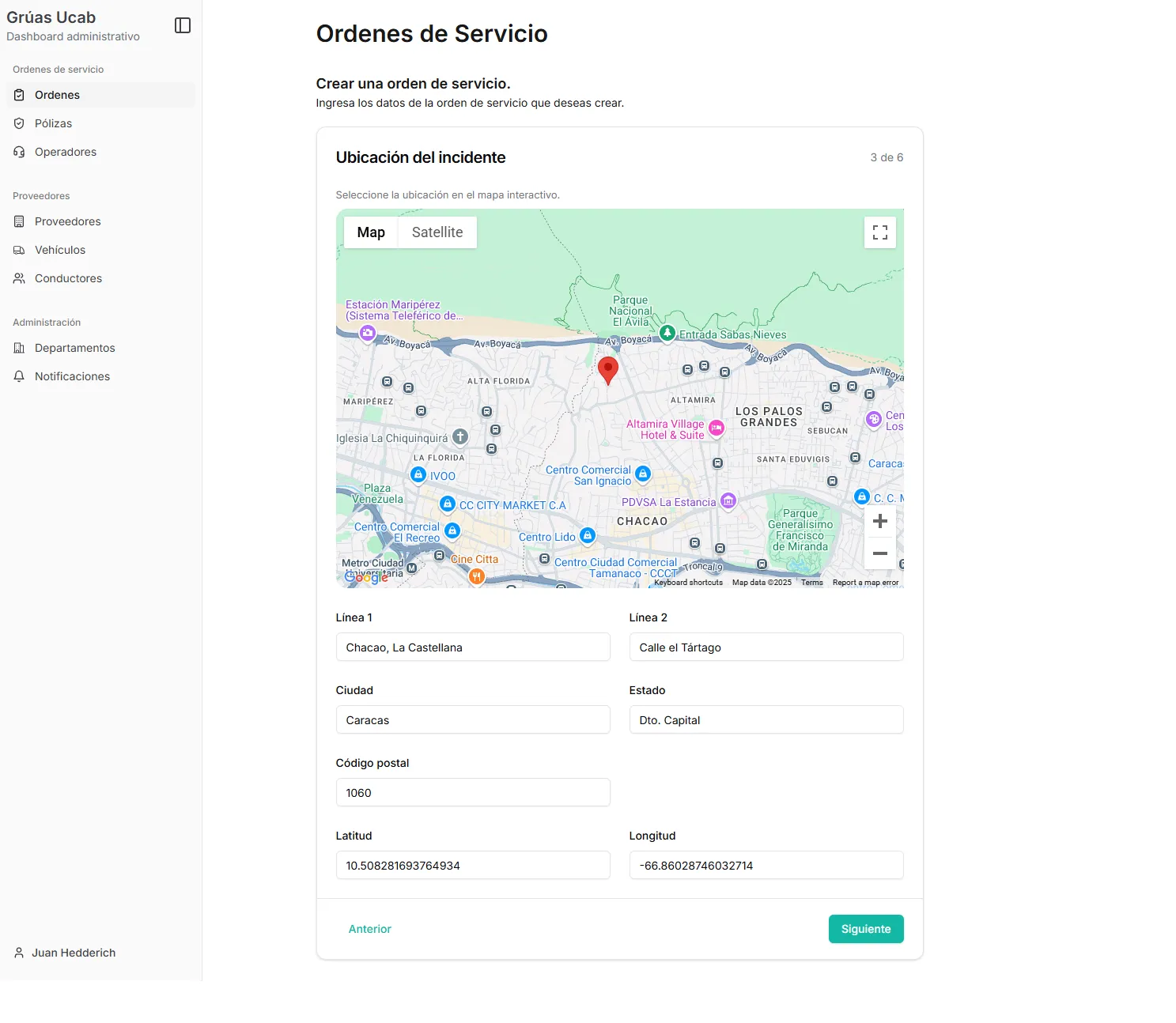
The web app is the operational hub: it manages provider, driver, and operator data, creates service orders, and coordinates assignments. When an order is created, the assigned driver gets a notification and can accept or reject from the mobile app.
Service orders
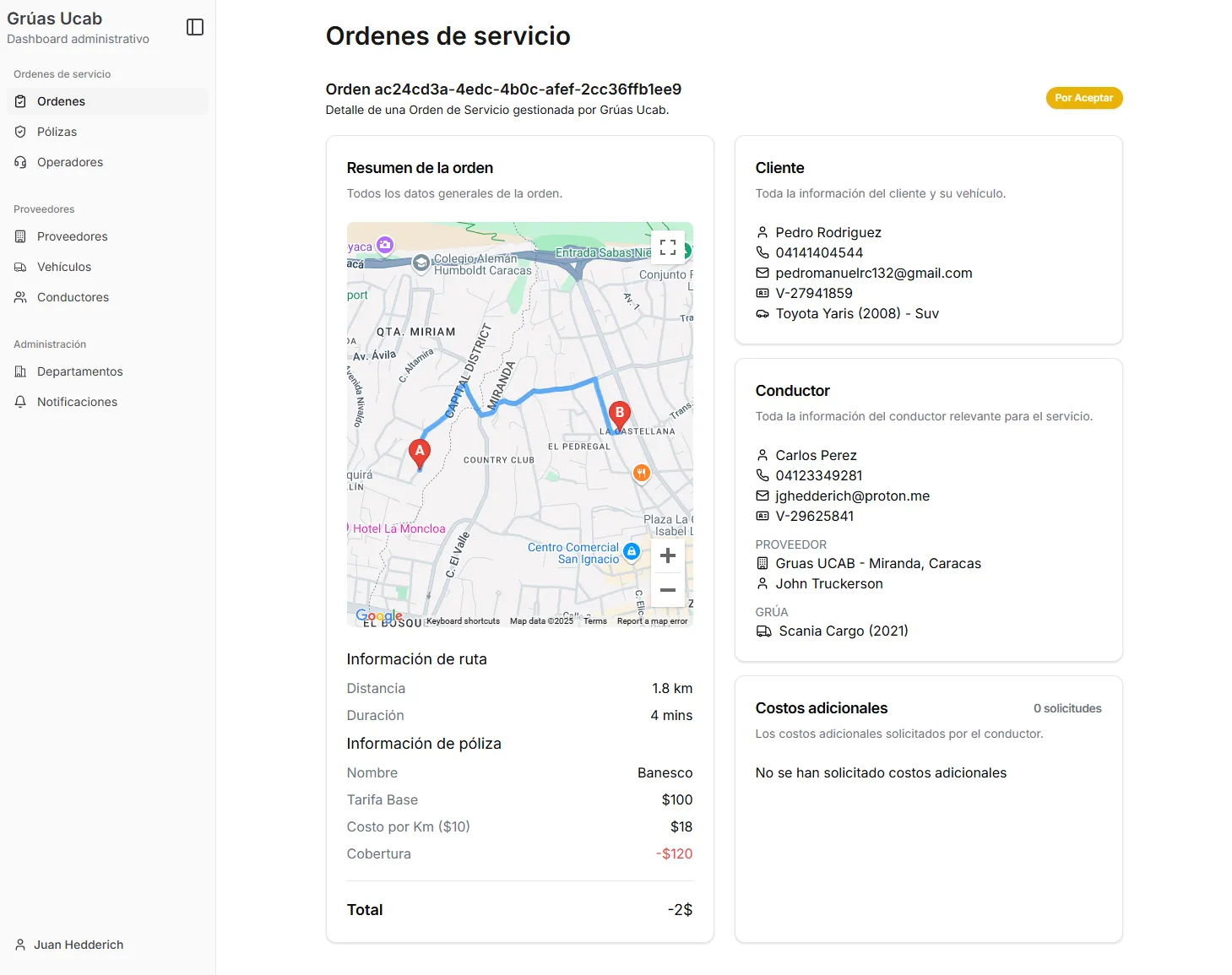
Order cost is calculated automatically from distance. Drivers can request additional charges for complications (tolls, restricted zones, etc.). Depending on the client’s policy, the service may be free (as in the screenshot). The company operates different crane types; the system selects an appropriate crane for the customer’s vehicle.
Providers
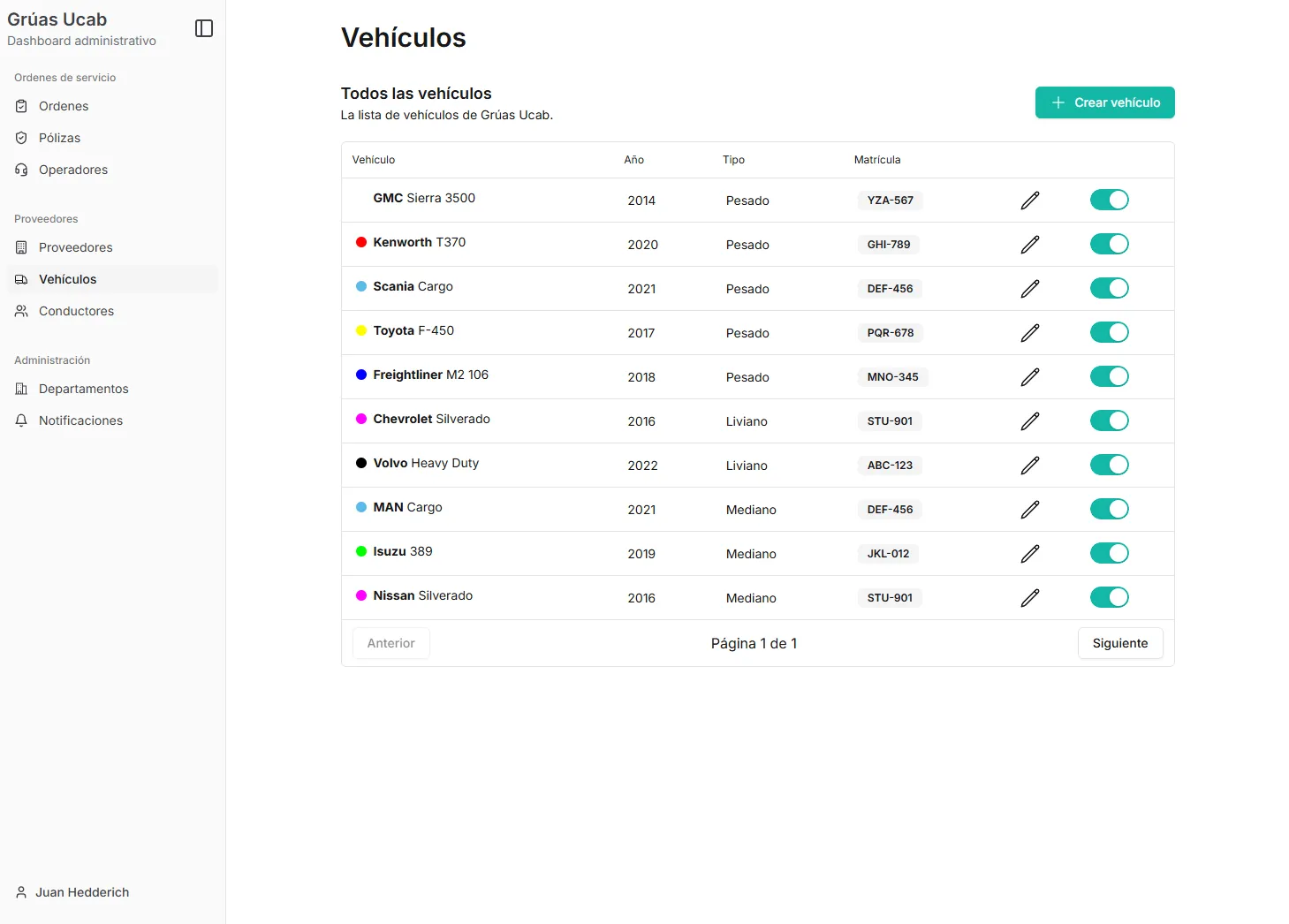
Providers own the shops that offer towing services. They manage company information, drivers, and vehicles. There are internal and external providers; when assigning orders, internal drivers are preferred when it does not hurt customer satisfaction.
Microservices backend
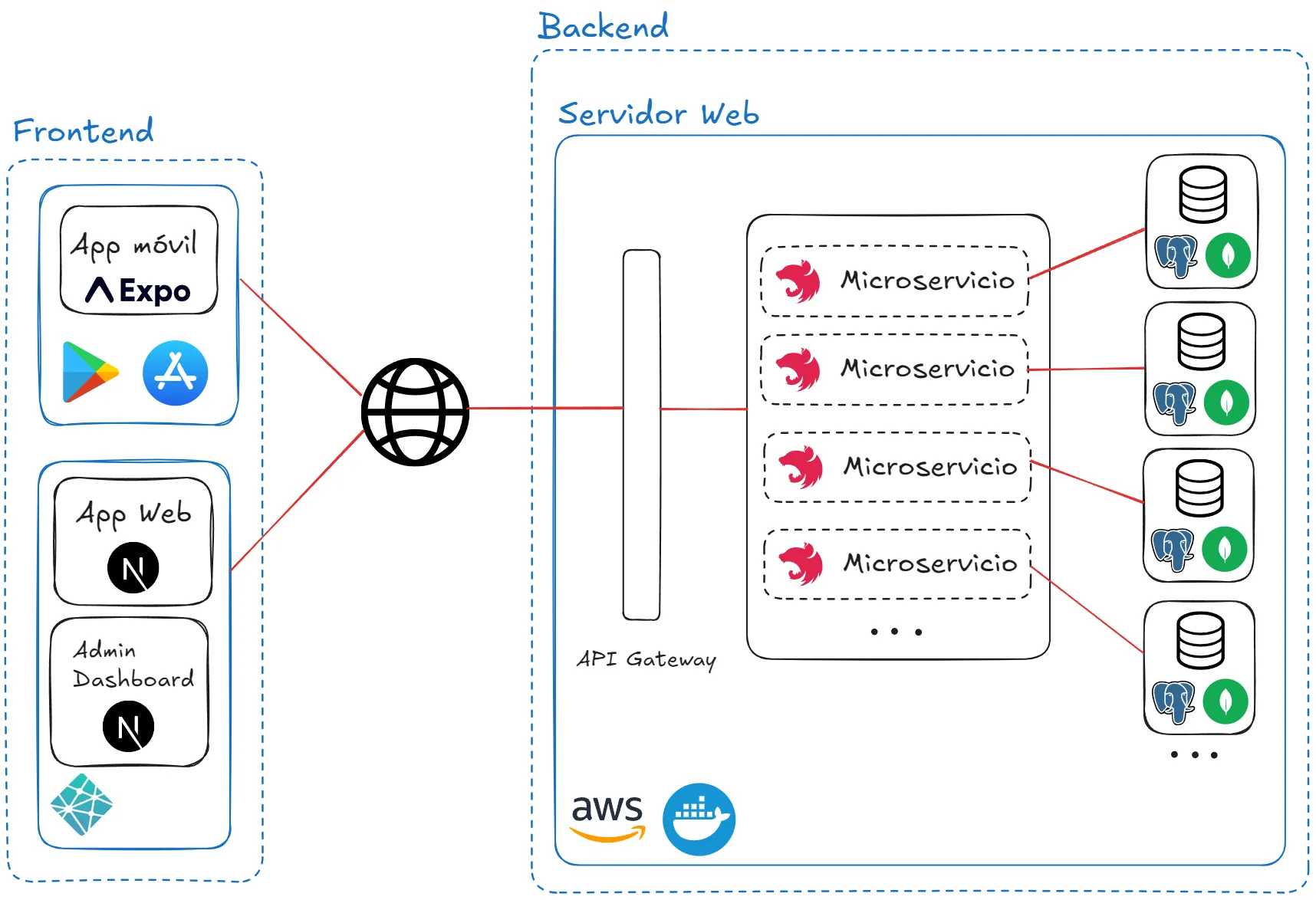
The backend follows a microservice style: separate deployable modules (Orders, Providers, Admin) with an API gateway as the entry point. Each service was containerized for development and deployment.
We used JWT authentication, RabbitMQ queues, Redis caching, Firebase Cloud Messaging for notifications, MailerSend for email, and structured logging. Microservices add operational complexity—we hit real deployment issues and temporarily exposed services from our machines with Ngrok while stabilizing the stack.